
Start with your budget.
Use US$25,000–28,000 as a reference, then compare the vehicle's history, equipment and preparation with the complete offer.
Find a suitable used L6 ↗LI AUTO L6 / LIXIANG L6
A family SUV with electric drive
and extended-range flexibility.
Source the right version with Panda.
Used-vehicle reference, published 30 Oct 2026. Vehicle details and delivery scope are confirmed in your quotation. New-car prices are quoted separately.
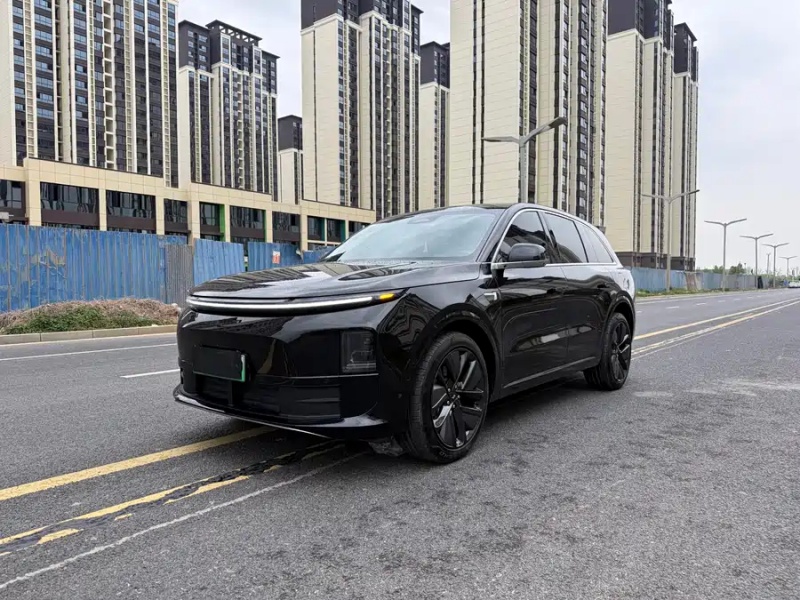
Use US$25,000–28,000 as a reference, then compare the vehicle's history, equipment and preparation with the complete offer.
Find a suitable used L6 ↗Ask for a separate new-car quotation. Specify the production version, registration status and features you need.
Discuss a new L6 ↗Match charging, software, workshop support and import requirements with your market before committing.
Review charging & support ↗Li Auto L6, also known as Lixiang L6, is a family SUV with an extended-range electric powertrain. Match the production version to your daily use before comparing an individual offer.
The Li L6 name belongs to Li Auto. It should not be confused with the IM L6 sedan, Geely Galaxy L6 or another vehicle carrying the same number. Your quotation should carry the manufacturer, exact model designation, VIN and production date so the vehicle remains identifiable through inspection, contract and shipping.
The L6 was launched in April 2024. A translated advertisement, registration year or familiar exterior photograph is not enough to establish which production specification is being offered. Keep the original vehicle records alongside the English description.
For the used Pro enquiry, tell Panda which equipment is essential and which alternatives you would consider. A Max version or later update should be treated as a separate proposal, with its own specification and price, rather than assumed to be included in the same budget.
| Seating layout | Five seats |
|---|---|
| Powertrain | Extended-range electric; dual-motor all-wheel drive |
| Launch battery | 36.8 kWh lithium iron phosphate |
| Range extender | 1.5T four-cylinder petrol unit |
| Suspension | Front double wishbone, rear five-link, CDC damping |
These historical specifications describe the launch model family. Later L6 updates have changed important hardware; confirm the offered vehicle's documents rather than applying the table to every new or used L6.
Li Auto's original L6 launch information ↗A useful comparison begins with the production period and fitted equipment. Pro and Max labels alone do not describe every L6 built since launch.
At the 2024 introduction, Pro used the Li AD Pro system with a Horizon Robotics Journey 5 processor. Max used Li AD Max with two NVIDIA Orin-X processors and LiDAR. The launch Max also included a refrigerator that was not standard on launch Pro.
For an individual used car, ask for the equipment record and current photos. Added accessories, replaced components or a seller's translated description can make a quick badge-based comparison unreliable. Separate original equipment from later work.
Li Auto reported that its refreshed L series upgraded AD Pro vehicles to Journey 6M with LiDAR and AD Max vehicles to NVIDIA Thor-U. A rule such as “Pro has no LiDAR” therefore cannot be applied across production periods.
Record the actual hardware and installed software version. Ask which functions can operate in your destination and whether they depend on regional maps, an account, network access or a subscription. Driver-assistance equipment does not establish hands-free or unsupervised operation.
Li Auto's 2025 product-refresh report ↗Li Auto's second-quarter 2026 results describe a new L6 delivered from July, with a 51 kWh LFP battery, MACH M100 assisted-driving hardware and revised chassis components. It is a separate specification from the original Pro/Max launch family.
For a new-car request, state the exact edition you want. For used-car offers, compare the production record rather than assuming that a current showroom description applies. Availability, registration status and the commercial terms still need confirmation.
Li Auto's 2026 L6 update report ↗An EREV combines an externally chargeable traction battery with a fuel-powered generator. It is different from a battery-only SUV and from a conventional non-plug-in hybrid.
The electric motors provide the driving force. The range extender uses petrol to generate electricity; it is not a conventional engine-to-wheel transmission. Depending on operating conditions and selected settings, energy comes from the battery and the range-extension system.
Frequent access to suitable charging can change how you use the car. A buyer who can charge at home, work or a depot has different operating choices from someone relying mainly on petrol. Discuss your expected route, parking and charging arrangements with the vehicle specification.
When comparing running costs, keep electricity and petrol consumption separate. Record the distance, initial and final battery states, fuel use and charging energy for the same operating period. An electricity-only trip and a fuel-supported trip do not demonstrate the same cost. Include your local tariffs and route pattern instead of carrying a China-market energy-cost advertisement into your own calculation.
Request clear photographs of the actual charge ports, their labels, the supplied cables and any charging equipment. Match AC and DC requirements separately with the installation or public network you plan to use. Ask the relevant equipment provider to confirm compatibility for the exact vehicle and destination.
A plug that physically fits does not, by itself, prove supported electrical ratings, communication or safe operation. Include any proposed adaptor or conversion in the inspection and quotation; do not treat it as a universal solution.
The original 2024 launch quoted 212 km in EV mode and 1,390 km combined under CLTC conditions. They describe different energy states and a named test cycle, not a measured result from the used car you are considering.
Temperature, speed, passengers, heating or air conditioning, battery condition and charging habits affect the result you experience. Request a version-matched specification and current test evidence; compare energy use on the same basis instead of mixing CLTC, another test cycle and a seller's trip reading.
For a charging inspection, ask what equipment was used, the battery state and temperature, whether charging completed normally and whether any faults appeared. Keep those observations with the vehicle file rather than accepting a charger-screen photograph as a complete battery assessment.
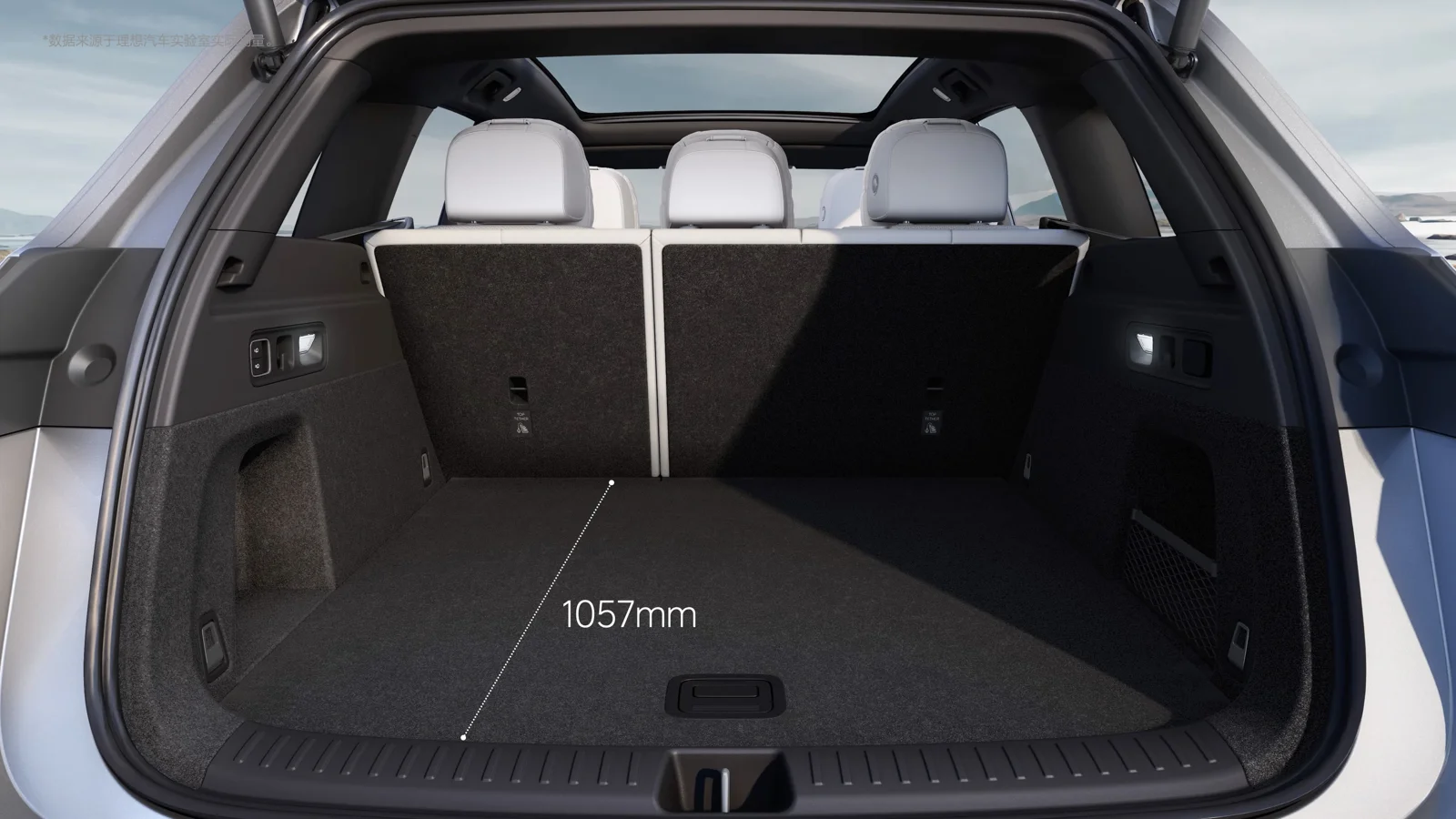
A five-seat layout can serve family travel, business use or passenger transport. The important question is whether the offered cabin and luggage arrangement fit your own passengers and equipment.
Ask for front and rear seating photographs, a demonstration of the seat adjustments and the luggage area with the rear seats in the positions you will use. If you carry child seats, mobility equipment, cases or work items, specify their practical requirements.
Test the relevant seat-heating, ventilation, adjustment and folding controls. Inspect upholstery, seat rails, belts and trim condition rather than inferring wear from a low odometer reading. Confirm which accessories and keys will accompany the car.
Consider access as well as capacity. Check the step-in height, door opening and available space with the front seats set for your drivers. A large luggage photograph with seats folded does not show the space available with five occupants. Ask for both arrangements and keep loose charging equipment or accessories visible in the load-area record.
Request the actual menu-language options, phone-connection demonstration and a list of fitted comfort features. Check the cameras, display touch response, audio, climate controls and any refrigerator that forms part of your agreed equipment list.
Online navigation, voice services, mobile-app access and remote functions can depend on regional support. Agree who is responsible for account handover, what can be demonstrated before dispatch and what remains dependent on a service provider after arrival.
Plan the workshop and parts route before accepting a car. A used L6 needs attention to its battery and electric drive as well as the range extender, chassis and ordinary wear items.
The official L6 maintenance guidance distinguishes range-extender operating distance from the vehicle's total travel for relevant service items. Ask which distance a service entry refers to and whether elapsed time also made the work due.
Use the manual and maintenance prompts applicable to the actual vehicle. Previous use in dust, extreme temperatures, corrosive conditions or heavy-duty operation can change the work required. Get a written list of immediate repairs and upcoming servicing so they can enter your budget.
Li Auto L6 maintenance guidance ↗Ask your destination workshop whether it can identify the exact production version, obtain parts and perform the necessary diagnostics. VIN and component numbers are more useful than a translated trim name when planning repairs.
Any warranty or after-sales arrangement should identify its provider, geographic coverage, covered items and claim process. A China-market manufacturer service programme is not automatically a promise of coverage abroad. Resolve essential support questions in writing alongside the vehicle and delivery terms.
A CLOSER LOOK
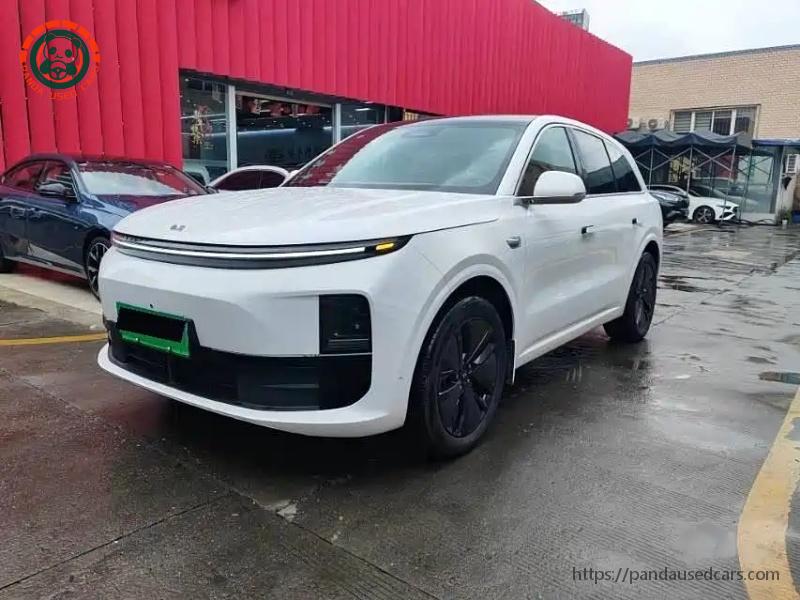
VALUE / THE COMPLETE OFFER
The used L6 Pro reference range is US$25,000–28,000. Request current candidates against your destination and requirements. New vehicles are quoted separately; the used reference range is not a new-car offer.
| Buying factor | Look beyond the price | Useful confirmation |
|---|---|---|
| Identity and specification | Confirm whether each offer is the requested Pro version. A translated name or registration date does not identify every hardware and equipment difference. | Production label, VIN, original version designation and equipment list. Use the version guide to frame the comparison. |
| Usage and history | Distance, previous use, service evidence and repair history explain differences that a polished exterior cannot. | Current odometer image, available maintenance records, ownership information and an explanation of identified repairs. |
| Powertrain condition | Review electric-drive and charging behaviour alongside the range extender. A quiet electric road test alone does not assess the complete vehicle. | Diagnostic findings, charging checks, range-extender operation and the scope of any traction-battery assessment. |
| Preparation and accessories | Tyres, brakes, missing keys, charging accessories and agreed repairs can change the practical purchase cost. | An itemised preparation list, accessory count and written agreement about work completed before handover. |
| Delivery scope | Vehicle-only, export-handling and freight-inclusive quotations describe different services. Compare like with like. | Currency, quotation validity, agreed Incoterm, named place or port, and all inclusions and exclusions. |
Set your priorities before comparing candidates: essential equipment, acceptable condition, quantity and delivery destination. Panda can then discuss the relevant trade-offs. A lower purchase figure may leave more preparation to fund; a higher figure should have a clear explanation in the vehicle and quotation records.
For a useful first response, send your L6 requirements with a vehicle budget or a total delivery budget clearly identified. The US$25,000–28,000 reference is not presented as a delivered or duty-paid price.
CONDITION / THE VEHICLE EVIDENCE
Ask for a vehicle-specific inspection scope and findings. Agree which issues require clarification, which can be addressed through preparation, and which would make the car unsuitable for your order.
Match the VIN on the vehicle, production label and available documents. Keep production date, model designation and first registration separate. Review available service and repair records against the odometer and visible wear.
Distinguish the traction battery from the 12V auxiliary battery. For any battery-condition claim, request the test method, date, measurements and interpretation. A charge percentage or absence of warning lights is not a capacity test.
Request evidence of engine operation as well as electric driving. Review maintenance records, warning messages, cooling checks and visible leaks. Ask what was observed during start-up and operation, rather than assuming low engine use establishes condition.
Agree a practical charging check using suitable equipment. Record any interruption, error or abnormal behaviour and the conditions of the test. Confirm the vehicle's charging interfaces and supplied accessories against your destination charging plan.
Inspect repairs, paintwork, structural areas, underbody and battery enclosure. Clarify signs of impact, corrosion or water exposure. Include tyres, brakes, steering and suspension findings, with photographs of issues that affect acceptance.
Check installed driver-assistance hardware, diagnostic findings, cameras and available calibration records. Test the screens, air conditioning, seats and keys. Identify software, account or connectivity limitations before relying on a function in another country.
Request dated photographs and a continuous walkaround with the enquiry or vehicle reference. Keep the diagnostic report, road-test findings and preparation agreement together. Unavailable records should be identified as unavailable, so they are not confused with checks that were completed. The cabin requirements should also appear in the final acceptance list.
EXPORT / FROM AGREEMENT TO ARRIVAL
Begin with the destination country, arrival port and quantity. Confirm local eligibility with your clearance adviser before committing to a vehicle. Age limits, registration requirements and document acceptance vary by destination.
Check the contracting entity, payment beneficiary, selected vehicle and agreed condition. The written quotation should distinguish the vehicle, preparation, China-side handling, freight and insurance. Name the delivery point and agreed Incoterm, with responsibilities and exclusions clearly assigned.
Ask which commercial, vehicle, export and transport records will be supplied for your transaction. Have your destination agent confirm the required format and identifiers. Do not assume a document used for another country will satisfy your own registration or clearance process.
Keep vehicle-condition records, VIN, key count and agreed charging accessories with the shipment reference. Clarify who arranges loading, transit cover and any necessary vehicle preparation. Obtain the transport details when confirmed by the responsible provider.
Compare the delivered vehicle and accessories with the agreed record. Document discrepancies promptly and follow the applicable seller, carrier or insurance process. Keep destination duties, taxes, port handling, clearance and registration in your own arrival budget.
Ask a destination workshop whether it can identify and diagnose the China-market L6 version. Use VIN and component numbers when discussing parts. Any promised warranty needs a named provider, territory, covered items, exclusions and claim procedure in writing. An original-market warranty should not be treated as automatic overseas coverage.
Request an export quotation with your destination and preferred delivery scope. Panda can discuss the sourcing requirements; transport timing, charges and support arrangements must follow the actual offer.
QUESTIONS / BEFORE YOUR ENQUIRY
The reference range is US$25,000–28,000. Ask for current vehicle details and a quotation matching your specification, condition requirements and destination. Compare the full vehicle file and commercial scope alongside the price.
No. New-car requirements need a separate sourcing check and price. State the version, equipment and registration-status requirements you need. Do not apply the used-car reference to a new-car order.
Lixiang is a commonly used rendering of the Li Auto brand name. Confirm the actual L6 model designation and version on the vehicle records; a familiar English or Chinese name does not replace identification.
The L6 uses an extended-range electric arrangement, combining electric drive, a rechargeable traction battery and a petrol-powered range extender. See the energy and charging explanation before comparing it with a BEV or a conventional non-plug-in hybrid.
Yes. Specify Pro in your enquiry and list essential equipment separately. Hardware and equipment can change with production updates. Accept an alternative version only after its differences and quotation have been discussed.
Check the actual charging interfaces, local infrastructure and supplied equipment. An adapter is not a universal compatibility promise. Agree any required verification before purchase, including AC and DC charging needs relevant to your use.
Ask for the assessment method, date, findings and limitations, alongside diagnostic and charging records. A displayed charge level describes stored charge at that moment; it does not independently establish battery capacity or overall health.
Identify the installed software, available languages, account requirements and connectivity arrangements. Ask about the exact functions you need. Navigation, apps, subscriptions and driver-assistance availability should not be inferred from a China-market demonstration.
Do not treat the reference range as an all-inclusive arrival cost. Request an itemised quotation, agreed delivery terms and a named port or place. Your destination adviser should confirm applicable duties, taxes and registration charges.
State your required quantity. Panda will confirm feasible sourcing and handling arrangements. For multiple vehicles, specify whether different colours, versions or production periods are acceptable and maintain a separate approval record for each VIN.
Use the enquiry form with your name, destination, quantity and contact details. Add the version, essential equipment, condition preferences and budget scope. Leave payment credentials and identity-document images out of the initial message.
BUDGET WORKSHEET / ONE-VEHICLE BASIS
Plan for one vehicle. Allocate any shared shipment costs per vehicle, then enter the other costs you have been quoted. This worksheet does not generate shipping rates, import taxes or a sales offer.
Vehicle allowance only. Three other cost categories have not been entered.
Blank fields are unknown costs, not free services. Avoid double counting included services. Convert all inputs to USD on a consistent basis before entering them.
Your cost entries are included only when you add them to your enquiry and submit it. The subtotal excludes costs you have not entered.
06 / LET'S FIND YOUR L6
Tell us what matters. Panda can discuss suitable new or used Li Auto L6 sourcing and prepare the next quotation around your requirements.
When you select Send enquiry, your name or company, contact details and vehicle requirements are sent to Panda through our enquiry service. We use these details to respond and discuss your request. Optional WhatsApp and Email links open the chosen service with a copy of your message; review it there before sending. Those services handle information under their own policies.
Panda uses the enquiry details you choose to send to reply, clarify vehicle requirements and discuss sourcing or export services. Relevant information may be shared with parties needed to prepare your requested quotation or service. Do not include passwords, payment credentials or identity-document images in an initial enquiry.
For questions about your information or to request correction or deletion, email info@pandausedcars.com. Information needed for an active enquiry, a transaction or applicable recordkeeping may need to be retained. This page does not load third-party analytics. Notice dated 30 October 2026.